Foundation Settlement and How Repairs Restore Stability
Homeowners seeking foundation settlement repair aim to restore stability, and local contractors can evaluate and perform effective solutions to fix shifting foundations.
Understanding foundation settlement and how repairs restore stability is essential for property owners facing signs of shifting or sinking structures. If cracks appear in walls, uneven floors develop, or doors and windows become difficult to open, these may be indicators of underlying foundation issues. Exploring this topic can help homeowners and property owners recognize the importance of addressing foundation concerns promptly, as unresolved settlement can lead to more significant structural problems over time. Local contractors experienced in foundation repair offer practical solutions to restore stability and protect the integrity of a property.
For those living in areas prone to soil movement or changes in moisture levels, understanding foundation settlement and repair options can be especially relevant. Properly restoring a foundation’s stability not only helps maintain a property’s value but also ensures safety and long-term durability. Local service providers specializing in foundation repair can assess the specific needs of a property and recommend effective methods to correct settlement issues. Continuing to read can provide valuable insights into how these repairs work and how trusted local experts can help safeguard a property’s foundation.
- Foundation settlement - homeowners noticing uneven floors or cracks may need foundation repairs to restore stability, with local contractors assessing and addressing the underlying issues.
- Soil shifting or erosion - when soil movement causes foundation movement, local service providers use specialized techniques to stabilize and lift the structure.
- Cracked or bowing walls - visible wall cracks or bowing basement walls can indicate settlement problems that local pros repair to prevent further damage.
- Uneven or sagging floors - floors that slope or sag might be signs of foundation settling, with local contractors implementing stabilization methods to restore levelness.
- Structural shifting - signs of shifting or tilting in the foundation require expert assessment and repairs from local service providers to reestablish stability.
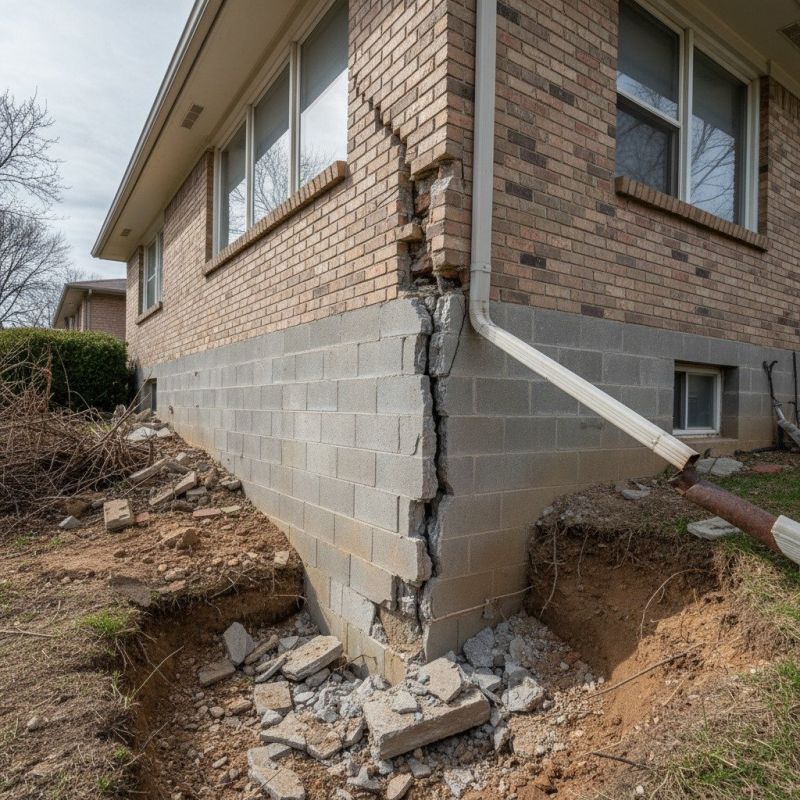
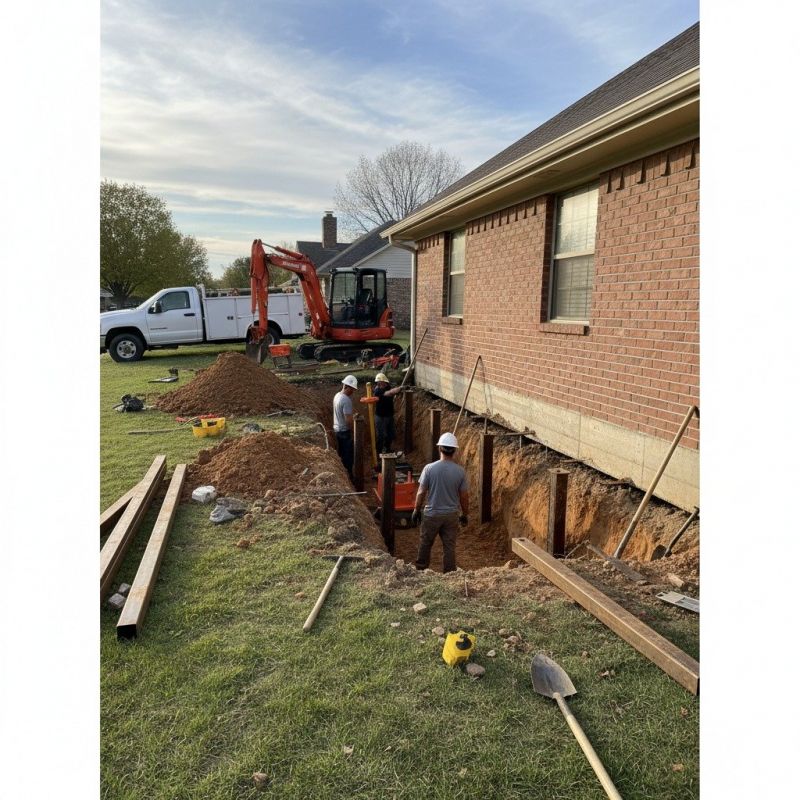
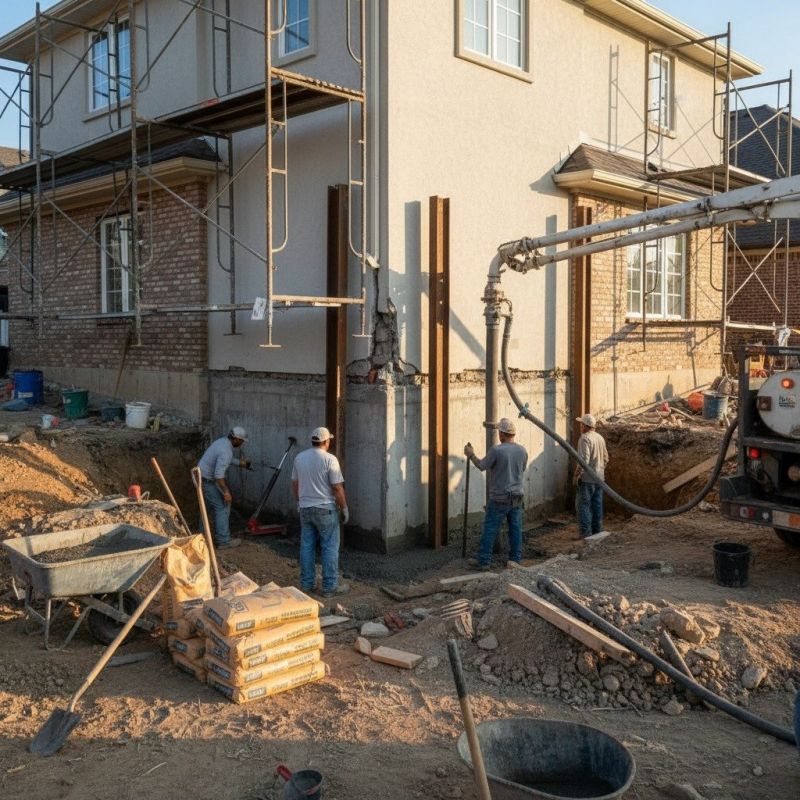
Foundation settlement and how repairs restore stability is a common concern among homeowners experiencing signs of uneven or shifting structures. When people search for this topic, they often want to understand why their property’s foundation is moving and what can be done to fix it. This issue typically relates to the natural settling of soil beneath the foundation, which can be accelerated by factors such as moisture changes, poor drainage, or soil composition. Homeowners may notice cracks in walls, uneven floors, sticking doors or windows, or other structural irregularities, prompting them to seek solutions to prevent further damage and preserve the property's integrity.
The problems connected to foundation settlement often involve structural stress and cosmetic damage that can worsen over time if left unaddressed. Many plans for repair focus on stabilizing the foundation to halt or slow further movement. Common repair methods include underpinning, piering, or slab jacking, which aim to lift and stabilize the foundation by transferring the load to more stable soil or bedrock. These repairs are designed to restore the original levelness of the structure and prevent issues like cracked drywall, misaligned doors, or uneven flooring from worsening, ultimately helping to protect the property’s value and safety.
Properties affected by foundation settlement span a variety of types, including residential homes, especially those with pier and beam or slab foundations, as well as multi-family buildings and small commercial structures. Single-family houses are the most typical scenarios where foundation settlement becomes visible through cracks or uneven surfaces. Older homes are often more vulnerable due to soil conditions and construction methods used in the past. Regardless of property type, local contractors specializing in foundation repair can evaluate the specific conditions and recommend appropriate solutions to restore stability and prevent future problems.
Understanding how foundation settlement occurs and how repairs can restore stability helps homeowners make informed decisions about addressing these issues. When searching for solutions, it’s important to recognize that local service providers have experience working with various property types and soil conditions. They can assess the extent of settlement, recommend suitable repair methods, and carry out the necessary work to stabilize the foundation. Connecting with experienced foundation repair contractors ensures that the property’s structural integrity is preserved, and the risk of ongoing damage is minimized, providing peace of mind for homeowners facing foundation concerns.
Foundation underpinning - this project involves stabilizing and strengthening building foundations, utilizing techniques similar to those used in foundation settlement repairs.
Pier and beam foundation repair - professionals in this area address shifting or sinking piers, which relates closely to restoring stability in foundation settlement situations.
Soil stabilization services - these projects focus on improving soil conditions beneath structures, a key aspect of preventing and repairing foundation settlement.
Concrete lifting and leveling - techniques used here to correct uneven slabs are often employed in foundation repair to restore proper support.
Drainage and moisture control systems - installing proper drainage helps prevent soil movement that can cause foundation settlement, making this a related service.
Retaining wall construction - building retaining walls involves managing soil pressure and movement, which is essential in foundation stability and repair projects.
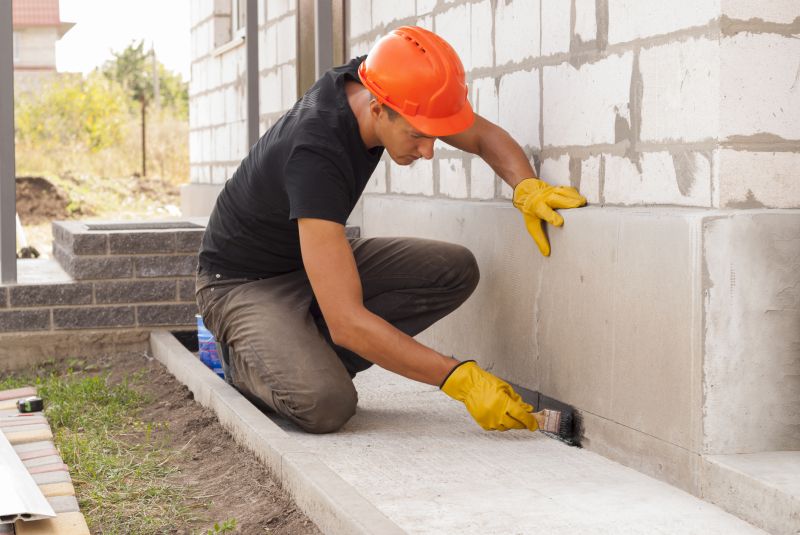
When evaluating service providers for foundation settlement repair, it is important to consider their experience with similar projects. Homeowners should seek out local contractors who have a proven track record of handling foundation issues comparable to their own. An experienced provider will understand the common causes of settlement, the most effective repair methods, and potential challenges that could arise during the process. This familiarity can help ensure that the repair approach is appropriate for the specific conditions of the property, ultimately contributing to a more reliable and long-lasting solution.
Clear written expectations are essential when comparing foundation repair services. Homeowners should look for providers who can offer detailed descriptions of the proposed work, including the scope of repairs, materials to be used, and the anticipated outcomes. Having this information in writing helps prevent misunderstandings and provides a basis for evaluating whether the proposed approach aligns with the homeowner’s goals. Transparent communication about what the repair process entails also fosters trust and allows homeowners to make more informed decisions about which local contractor is best suited to restore stability to their foundation.
Reputable references and effective communication are key factors in selecting a foundation settlement repair provider. Homeowners should ask potential service providers for references from previous clients who had similar issues. Speaking with past customers can provide insight into the quality of workmanship, reliability, and overall satisfaction. Additionally, good communication throughout the process-from initial consultation to project completion-is vital. Service providers who are responsive, clear in their explanations, and willing to answer questions can help ensure that homeowners feel confident and informed at every stage of the repair. This level of professionalism can significantly contribute to a smooth and successful foundation restoration experience.
Property owners often search for foundation settlement and how repairs restore stability when they are planning practical projects around their homes and businesses. Local pros provide Foundation Settlement Repair services for everyday jobs and straightforward project options.
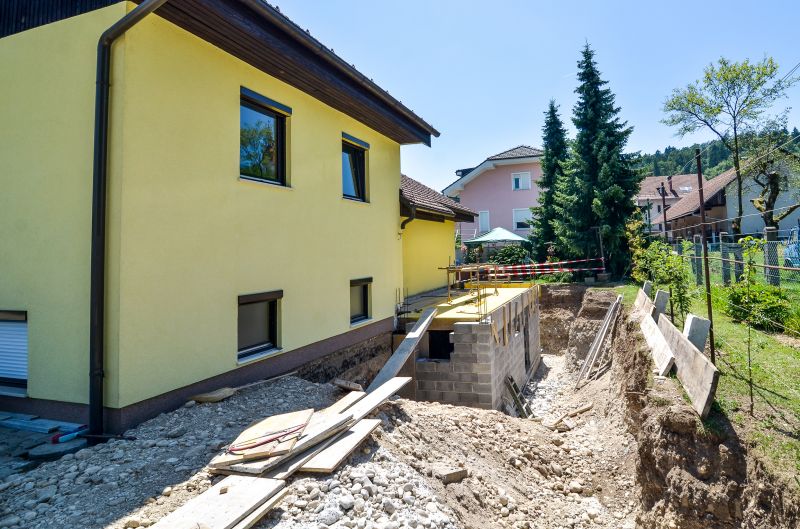
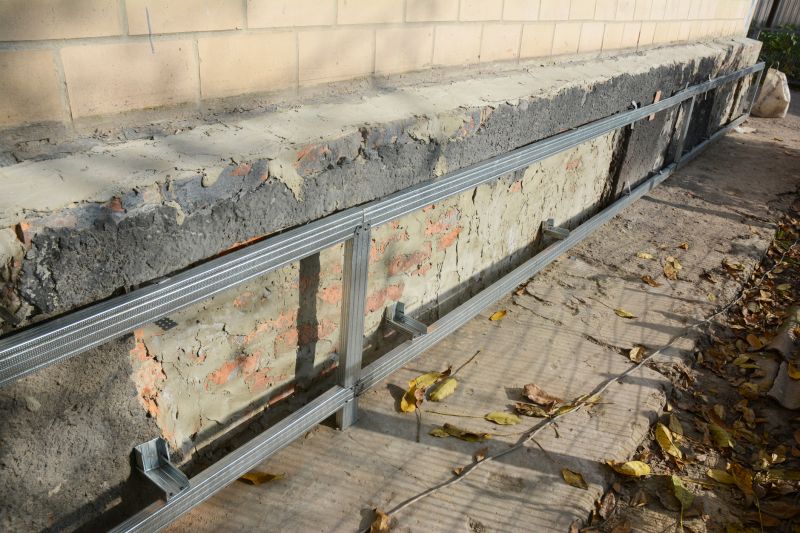
Foundation settlement can become noticeable through uneven floors, cracked walls, or doors that no longer close properly. Property owners in the area often seek out foundation repair services when these signs appear, aiming to restore stability and prevent further damage. Local contractors specializing in foundation settlement repair have experience addressing these issues, using methods designed to stabilize the structure and improve safety. These repair solutions are a practical step for homeowners looking to protect their investment and maintain the integrity of their property.
When foundation settlement occurs, repairs typically involve techniques that lift and stabilize the foundation, helping to re-level the structure. Property owners may consider these services to address existing problems and reduce the risk of future issues. Local service providers can evaluate the situation and recommend appropriate repair options to restore stability. Connecting with experienced contractors ensures that foundation settlement concerns are handled effectively, supporting the long-term durability of the property.
What causes foundation settlement? Foundation settlement typically occurs due to soil movement, such as shrinking or expanding soils, poor drainage, or changes in moisture levels that lead to uneven support for the foundation.
How do repairs restore stability to a settling foundation? Repairs often involve methods like underpinning or piering to lift and stabilize the foundation, preventing further movement and restoring the structural integrity of the building.
What signs indicate foundation settlement that needs repair? Common signs include cracked walls, uneven floors, sticking doors or windows, and visible cracks in the foundation or exterior masonry.
Can foundation settlement be corrected without extensive repairs? In some cases, minor settlement can be addressed with targeted repairs, but more significant movement usually requires professional stabilization methods from experienced service providers.
What types of repair methods are used to fix foundation settlement? Local contractors may use techniques such as piering, underpinning, or slab jacking to restore stability and prevent future settlement issues.
Assessing foundation issues - Property owners can identify signs of settlement, such as cracks or uneven floors, and seek advice from local contractors on the best repair options.
Choosing repair methods - Understanding different foundation repair techniques helps property owners work with local specialists to select the most suitable solution for their situation.
Preparing for repairs - Homeowners can clear areas around the foundation and ensure access points are available, making it easier for local service providers to perform necessary work.
Restoring stability - After repairs, property owners can monitor the foundation for ongoing movement and collaborate with local contractors to maintain long-term stability.
If you are thinking about foundation settlement and how repairs restore stability for a property, this guide is meant to help you understand this topic, the typical project types, and how different options might fit your plans.
When you are ready, you can use the quote form on this page to share a few details about your project. From there, local pros can review the basics and follow up with options that match what you have in mind.